
.............
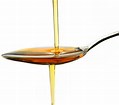
Perilla oil is a nutrient-rich plant oil high in omega-3 fatty acids, offering heart, brain, skin, and anti-inflammatory benefits.
Nutritional Profile
Perilla oil is extracted from the seeds of the Perilla frutescens plant, a member of the mint family. It is
exceptionally high in alpha-linolenic acid (ALA), a plant-based omega-3 fatty acid, often containing 54–64% ALA,
along with omega-6 fatty acids, monounsaturated fats, and small amounts of saturated fats. It also contains vitamin
E-like compounds and plant sterols, which act as natural antioxidants.
..........
..................
Health Benefits
1. Supports Heart Health
The high omega-3 content helps reduce triglycerides, improve cholesterol balance, and support overall cardiovascular
The high omega-3 content helps reduce triglycerides, improve cholesterol balance, and support overall cardiovascular
function, potentially lowering the risk of heart disease.
2. Anti-Inflammatory Effects
Perilla oil contains compounds that may reduce chronic inflammation, which can benefit conditions like
arthritis, asthma, and other inflammatory disorders.
3. Brain and Cognitive Support
ALA in perilla oil may support brain function, cognitive performance, and mood regulation. Some studies
ALA in perilla oil may support brain function, cognitive performance, and mood regulation. Some studies
suggest potential benefits for memory and neuroprotection.
4. Skin Health
Perilla oil’s antioxidants and anti-inflammatory properties can help moisturize, nourish, and protect
Perilla oil’s antioxidants and anti-inflammatory properties can help moisturize, nourish, and protect
the skin. It may also reduce acne and promote clearer, healthier skin.
...........
.............................
The Health Clique
5. Immune System Support
The oil may enhance immune function and help the body fight bacterial and viral infections.
6. Respiratory and Allergy Support
Traditionally, perilla oil has been used to alleviate symptoms of asthma, hay fever, and allergic
reactions, although scientific evidence is limited.
.....................................
.........
Culinary and Supplement Uses
Perilla oil has a nutty, aromatic flavor and is commonly used in Asian cuisine, particularly
Korean and Japanese dishes. It can be used in salad dressings, drizzled over vegetables,
or as a dietary supplement. Typical supplemental doses range from 2 to 6 grams per day
(about 1–2 teaspoons), standardized for ALA content.
................
............
Safety Considerations
Perilla oil is generally well-tolerated, but some individuals may experience allergic reactions or
digestive upset. People with seed or nut allergies, bleeding disorders, or those taking blood-
thinning medications should consult a healthcare professional before use. Safety during pregnancy
and breastfeeding is not well established, so caution is advised.
........
...................
Perilla oil is a versatile, plant-based source of omega-3 fatty acids with multiple potential health benefits,
making it a valuable addition to a balanced diet when used appropriately.
.........
Reference:CoPilot
............